If your air conditioner has suddenly turned from a quiet companion into a rattling, humming, or screeching distraction, you’re not alone. Many Port Chester home HVAC issues start with a noisy air conditioner fan, and while some sounds are harmless, others signal problems that can lead to bigger breakdowns—like AC not cooling, weak airflow AC, frozen AC coils, or even electrical AC problems. Understanding the causes and the smartest repair steps can save you time, money, and comfort in the peak of summer.
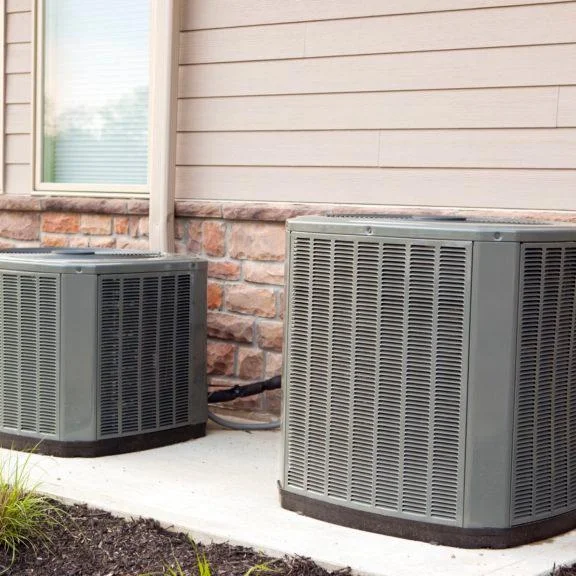
A noisy air conditioner can originate from the outdoor condenser unit, the indoor air handler, or the ductwork. The fan is a common culprit, but the sound you hear often points toward the underlying problem. Below, we’ll break down the typical noises, what they may mean, safe DIY checks you can perform, and when to call a professional in Port Chester.
Common Noises and What They Mean
- Rattling or clanking: Often a loose fan blade, a screw backing out, or debris in the outdoor unit. If ignored, this can unbalance the fan, wear the motor, and lead to AC not cooling efficiently. Grinding or scraping: This usually signals worn bearings in the fan motor or a misaligned blower wheel. Prolonged operation risks motor failure and can trigger electrical AC problems. Buzzing or humming: Could indicate an electrical issue, a failing capacitor, a contactor problem, or refrigerant leaks causing the system to strain. Persistent humming deserves a professional inspection. Whistling or high-pitched whooshing: Frequently tied to weak airflow AC due to clogged filters, blocked vents, or a clogged AC drain line causing moisture-related restrictions. Banging when cycling on/off: A sign of loose components or expanding/contracting metal—less urgent than grinding but still worth checking.
Top Causes of a Noisy Air Conditioner Fan
- Loose or damaged fan blades: Outdoor fan blades can bend from impacts (hail, sticks) or loosen over time. Bent blades create a rhythmic thump or rattle and reduce efficiency, sometimes leading to AC not cooling. Dirty or obstructed fan: Leaves, twigs, and dirt inside the condenser shroud can hit the fan blades. This also strains the motor and increases noise. Failing fan motor or bearings: A worn motor makes grinding or squealing noises and may draw excess current, risking tripped breakers or broader electrical AC problems. Poor airflow or pressure issues: Dirty filters, closed vents, or blocked returns cause turbulence and whistling. Sustained restrictions can create frozen AC coils and water issues. Refrigerant and system strain: Refrigerant leaks reduce cooling capacity, making the system run longer and louder. You might also notice air conditioner leaking water as coils ice up and melt. Drainage problems: A clogged AC drain line can lead to gurgling sounds, water backups, and musty odors—plus water damage near the air handler.
DIY Checks You Can Do Safely
Power off the system before inspection. Use the disconnect near the outdoor unit and switch the thermostat to Off.
- Replace or clean the air filter: A clogged filter is the simplest cause of weak airflow AC and whistling. Replace every 1–3 months during heavy use. Clear debris around the outdoor unit: Trim vegetation at least 18–24 inches away. Remove leaves and sticks from the top grate after power is off. Inspect fan blades for obvious issues: With power off, gently spin the outdoor fan. Listen for scraping and look for wobble or bent blades. Do not bend blades back; that can worsen balance issues. Check vents and returns: Open all supply vents and ensure returns are not blocked by furniture or rugs. Balanced airflow reduces noise and prevents frozen AC coils. Verify condensate drainage: Find the condensate drain line near the indoor unit. If accessible, pour a cup of a 50/50 water and white vinegar mix into the access port to help prevent clogs. If you see standing water or repeated air conditioner leaking water, call a pro.
When to Call a Port Chester HVAC Professional
- Persistent grinding or screeching: Indicates bearing or motor failure; running the unit can cause more damage and lead to AC not cooling entirely. Electrical symptoms: Buzzing at the contactor, frequent breaker trips, or burnt smells point to electrical AC problems that require licensed service. Repeated icing or frozen AC coils: Often tied to low refrigerant or severe airflow issues. Refrigerant leaks must be diagnosed and repaired by an EPA-certified technician. Ongoing water leaks: A clogged AC drain line or a damaged pan can lead to serious water damage and mold growth. Thermostat issues or erratic cycling: Short cycling, unresponsive controls, or temperature swings can produce odd noises and stress the system.
Professional Repairs You Can Expect
- Fan blade replacement or rebalancing: Technicians will confirm blade pitch and balance. This reduces vibration and noise. Motor and capacitor replacement: A worn motor or failing capacitor commonly causes humming and hard starts. Replacing both together can extend reliability. Electrical repair and contactor replacement: Cleaning or replacing pitted contacts eliminates buzzing and prevents voltage drops. Deep cleaning: Coil cleaning (indoor and outdoor) reduces turbulence and fan strain. This helps with weak airflow AC and keeps energy bills in check. Refrigerant leak detection and recharge: Pros will test for refrigerant leaks, repair them, and recharge to spec. This resolves low capacity, prevents frozen AC coils, and quiets the system’s operation. Drain line clearing: Technicians can vacuum or flush the clogged AC drain line, replace algae-prone sections, and install cleanout ports or float switches to prevent water overflow and air conditioner leaking water.
Preventive Maintenance Tips for Quieter Operation
- Schedule seasonal tune-ups: Before summer, have a Port Chester HVAC pro inspect fan motors, belts, capacitors, and electrical connections; clean coils; measure refrigerant charge; and test airflow. This reduces noisy air conditioner complaints and unexpected AC not cooling. Keep it clean: Trim shrubs, rinse the outdoor coil gently with a garden hose (power off), and keep the area free from debris. Mind your filters: Use the correct size and MERV rating recommended by your system. Overly restrictive filters can increase noise and cause weak airflow AC. Calibrate or upgrade the thermostat: Thermostat issues lead to short cycling or fan commands that don’t match actual cooling needs, increasing noise and wear. A smart thermostat can improve comfort and staging. Seal and balance ducts: Leaks create whistling and uneven airflow. Duct sealing and balancing can quiet the system and improve efficiency across Port Chester home HVAC issues.
How to Prioritize If You Hear New Noises
- Step 1: Turn the system off if you hear grinding, scraping, or smell burning. Step 2: Perform quick checks—filter, vents, debris around the outdoor unit. Step 3: Note symptoms—AC not cooling, weak airflow AC, thermostat issues, or air conditioner leaking water. Step 4: Call a licensed Port Chester technician, especially if noises persist, you suspect refrigerant leaks, or you see frozen AC coils. Document the noise with a short video; it helps speed diagnosis.
By acting quickly and following these steps, you can prevent a simple noisy air conditioner from spiraling into costly repairs. A well-maintained system should run smoothly, quietly, and efficiently—even through Port Chester’s hottest days.
Questions and Answers

Q1: My AC is making a buzzing noise but still cools. Is it safe to run? A1: Buzzing often points to electrical AC problems or a failing capacitor/contactor. It may run for a while, but continued operation risks sudden failure or damage. Schedule service soon and avoid heavy use until inspected.
Q2: Why does my AC whistle when the fan speeds up? A2: Whistling usually indicates weak airflow AC from a dirty filter, closed vents, leaky ducts, or an undersized return. Check the filter and vents first; if the sound persists, have ducts inspected and balanced.
Q3: Can a clogged AC drain line make my system louder? A3: Yes. A blocked drain can cause gurgling, airflow restrictions, and air conditioner leaking water. Clearing the line often quiets the system and prevents water damage.
Q4: https://hvac-emergency-response-for-summer-maintenance-repair-guide.iamarrows.com/port-chester-hvac-reviews-how-to-spot-consistent-quality Are frozen AC coils related to fan noise? A4: Indirectly. Frozen coils result from poor airflow or refrigerant leaks; the fan works harder, can become louder, and may eventually cause AC not cooling. Address the root cause to protect the fan and compressor.
Q5: How often should I schedule maintenance in Port Chester? A5: At least once a year before cooling season. Older systems or homes with significant Port Chester home HVAC issues may benefit from spring and fall visits. Regular service keeps a noisy air conditioner quiet and efficient.
